

Unlocking the Secrets of The Buyer’s Journey: A Digital Marketer's Guide
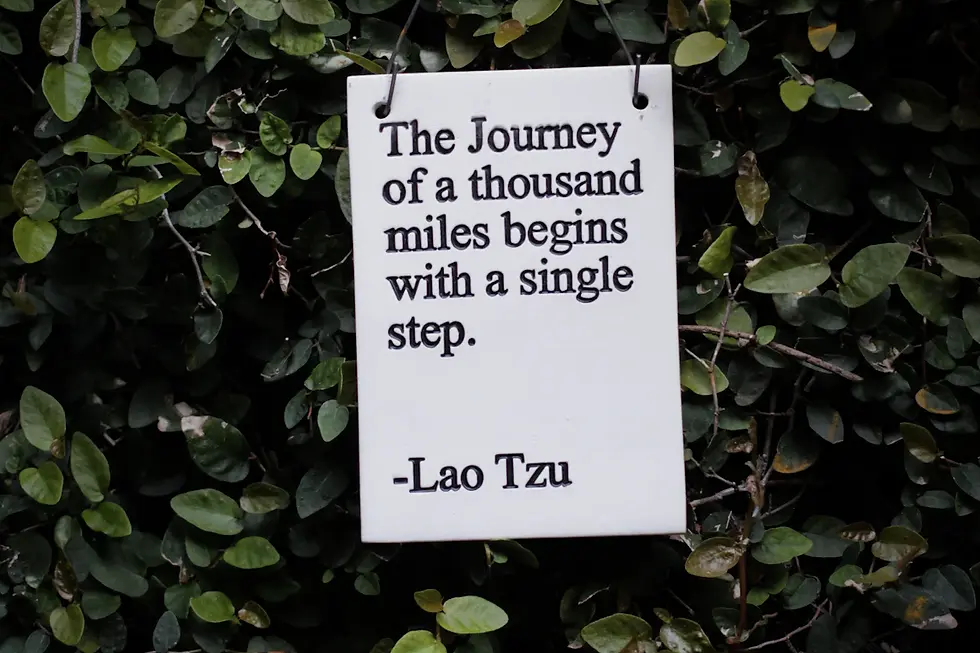
In the fast-evolving world of digital marketing, understanding the buyer’s journey is crucial for any business aiming to thrive in today's competitive landscape. As companies all around invest in AI tools for digital marketing, mastering the intricacies of how consumers navigate their purchasing decisions becomes more vital than ever. With insights into the buyer's journey, you can effectively leverage SEO content marketing strategies and marketing kits that resonate with your target audience, ultimately increasing engagement and conversion rates.
What is the Buyer’s Journey?
The buyer’s journey refers to the process that consumers go through when making a purchase decision. This journey typically consists of three main stages:
Awareness Stage: At this stage, potential buyers recognize a need or problem they want to address. They start seeking information to educate themselves.
Consideration Stage: Here, buyers evaluate their options. They are comparing different solutions, including vendor offerings and products.
Decision Stage: In this final stage, buyers are ready to make a purchase. They have done their research and narrowed down their choices.
Why Understanding the Buyer’s Journey Matters
Understanding the buyer’s journey allows marketers to tailor their strategies to meet potential buyers exactly where they are in the process. By aligning your marketing efforts with the needs and interests of consumers at each phase, you can:
Deliver valuable content that speaks directly to the concerns of your audience.
Create targeted campaigns that address specific consumer pain points.
Utilize AI agents and advanced data analytics to personalize marketing experiences.
The Stages of the Buyer’s Journey in Detail
The Awareness Stage
At the awareness stage, potential buyers are typically experiencing an issue, or they may simply want to explore new avenues. Here’s how to capture their attention during this critical phase:
Create informative blog posts that answer common questions or provide insights into industry trends.
Utilize SEO content marketing to enhance visibility on search engines so that your content can be easily found by your target audience.
Consider leveraging AI tools for digital marketing to analyze search trends and create content that resonates with the audience's queries.
The Consideration Stage
In the consideration stage, your prospects are actively researching solutions. They are comparing products and services, looking for the best fit. Here are some strategies to implement:
Develop comprehensive guides and whitepapers that delve deeper into how your offerings solve specific problems.
Encourage user-generated content by fostering engagement on social media or community forums where users share their experiences.
Utilize marketing kits that include case studies and testimonials to build credibility with prospective buyers.
The Decision Stage
During the decision stage, prospects are deciding whether to choose your brand or one of your competitors. To differentiate yourself and influence their choice positively:
Offer time-sensitive discounts or bonuses to entice action.
Provide detailed product comparisons that highlight the unique benefits of your solution.
Maintain a clear and user-friendly checkout process to remove any barriers to purchasing.
Leveraging Technology in the Buyer’s Journey
As technology evolves, so do consumer behaviors. Harnessing the power of AI agents and digital tools can significantly boost your understanding of the buyer’s journey. Here are some effective applications:
Chatbots and Virtual Assistants
Integrating chatbots on your website can streamline communication with visitors, offering instant responses to inquiries. This can improve customer service and engage users effectively at all stages of the buyer’s journey.
Data-Driven Insights
AI tools for digital marketing enable you to analyze user behavior patterns, content performance, and engagement metrics. Use these insights to refine your marketing strategies and improve lead targeting.
Personalization Techniques
Incorporating personalized experiences is increasingly important. By using data to Tailor offers based on user behavior and preferences, you can enhance the buyer’s journey, making it more relevant and less generic.
Creating an Effective Marketing Strategy Based on the Buyer’s Journey
To drive traffic to your store, your marketing strategy should revolve around understanding the nuances of the buyer’s journey. Here are the key steps to develop an effective plan:
1. Define Your Buyer Personas
Gain clarity on your ideal customers by creating detailed buyer personas based on demographics, interests, and pain points. This understanding will guide your content creation and marketing efforts.
2. Develop a Content Strategy
Each stage of the buyer’s journey necessitates relevant content. Create a diverse content calendar that maintains a consistent schedule of blog posts, social media updates, and email campaigns addressing each stage:
Awareness: Blog posts and social media shares.
Consideration: Case studies, whitepapers, and product comparisons.
Decision: Testimonials, product demos, and promotional offers.
3. Optimize for SEO
Utilize SEO content marketing best practices to optimize your website's content. Incorporate keywords such as "digital marketing," "AI agents," "AI tools for digital marketing," and "Marketing kits" strategically throughout your posts for maximum visibility.
4. Utilize Email Marketing
Leverage email campaigns to nurture prospects through the buyer's journey. Segment your audience and create tailored emails that provide relevant information and incentives based on where they are in the process.
5. Measure and Analyze Your Results
Continuous evaluation of your marketing efforts is vital. Use analytics tools to track website traffic, engagement rates, and conversion metrics. This data will inform necessary adjustments to your strategy to ensure ongoing improvement.
The Road Ahead: Elevating Your Digital Marketing Game
By understanding the buyer's journey in depth, businesses can leverage modern technology and tailor their strategies for maximum impact. As you implement advanced AI tools for digital marketing and create valuable content through effective SEO content marketing, you'll find increased engagement and greater conversions are within reach. Dive into creating comprehensive marketing kits that match the evolving needs of your audience, and watch your store flourish!
Remember, the journey doesn't end here. Continue to innovate, adapt, and listen to your customers, all while maintaining a focus on their journey from awareness to decision. Happy marketing!
FAQs
What is the buyer's journey?
The buyer's journey refers to the process that consumers go through when making a purchase decision, which typically consists of three main stages: Awareness, Consideration, and Decision.
Why is understanding the buyer's journey important for marketers?
Understanding the buyer's journey allows marketers to tailor their strategies to meet potential buyers at each stage, delivering valuable content and creating targeted campaigns that address specific consumer pain points.
What are some strategies to engage potential buyers during the awareness stage?
During the awareness stage, strategies include creating informative blog posts, utilizing SEO content marketing for visibility, and leveraging AI tools to analyze search trends.
How can technology, like AI, enhance the buyer's journey?
Technology such as AI can analyze user behavior patterns, improve customer service through chatbots, and personalize marketing experiences based on user preferences, enhancing the overall buyer's journey.
What is a key step in creating an effective marketing strategy based on the buyer's journey?
A key step is to define your buyer personas by understanding your ideal customers based on demographics, interests, and pain points, which will guide your content creation and marketing efforts.
Comments