

The Ultimate Guide to Building Your First Omnichannel Marketing Strategy: Everything You Need to Succeed
- Dec 17, 2025
- 5 min read
Welcome to the exciting world of omnichannel marketing! In today's fast-paced business landscape, your customers expect seamless experiences across every touchpoint with your brand. Whether they're browsing your website on their phone, visiting your physical store, or engaging with your social media content, they want consistency, personalization, and effortless transitions between channels.
Building your first omnichannel marketing strategy might seem overwhelming, but you're about to embark on a journey that will transform how your customers experience your brand. This comprehensive guide will walk you through everything you need to know to create a strategy that not only meets your customers' expectations but exceeds them.
What Makes Omnichannel Marketing So Powerful?
Omnichannel marketing isn't just about being present on multiple platforms: it's about creating a unified, integrated experience that feels natural and seamless to your customers. Think of it as building bridges between every interaction point, ensuring your customers never hit a dead end or experience frustrating gaps as they move through their journey with your brand.
The magic happens when your customers can start their journey on one channel and continue it on another without missing a beat. This approach has proven incredibly effective, with businesses reporting significantly higher customer satisfaction rates and increased revenue when implemented correctly.

Step 1: Deep Dive Into Your Customer Data
Your omnichannel success begins with understanding your customers on a deeper level. This means moving beyond basic demographics and gathering comprehensive insights about how they interact with your brand.
Here's how to build a solid foundation:
Create detailed buyer personas that capture not just who your customers are, but how they behave. Focus on their preferred marketing channels, buying methods, content preferences, and purchase history. You'll want to gather both primary data through surveys and interviews, and leverage existing data from your analytics tools, CRM systems, and sales platforms.
Consider this powerful statistic: 80% of businesses report high sales after implementing segmentation, and 90% of companies say they better understand their customers through buyer personas. This understanding increases your likelihood of identifying customer pain points by 60%.
Break down those data silos and consolidate all your insights into one centralized system. This unified view of your customers will become the cornerstone of your entire strategy.
Step 2: Map Your Customer's Complete Journey
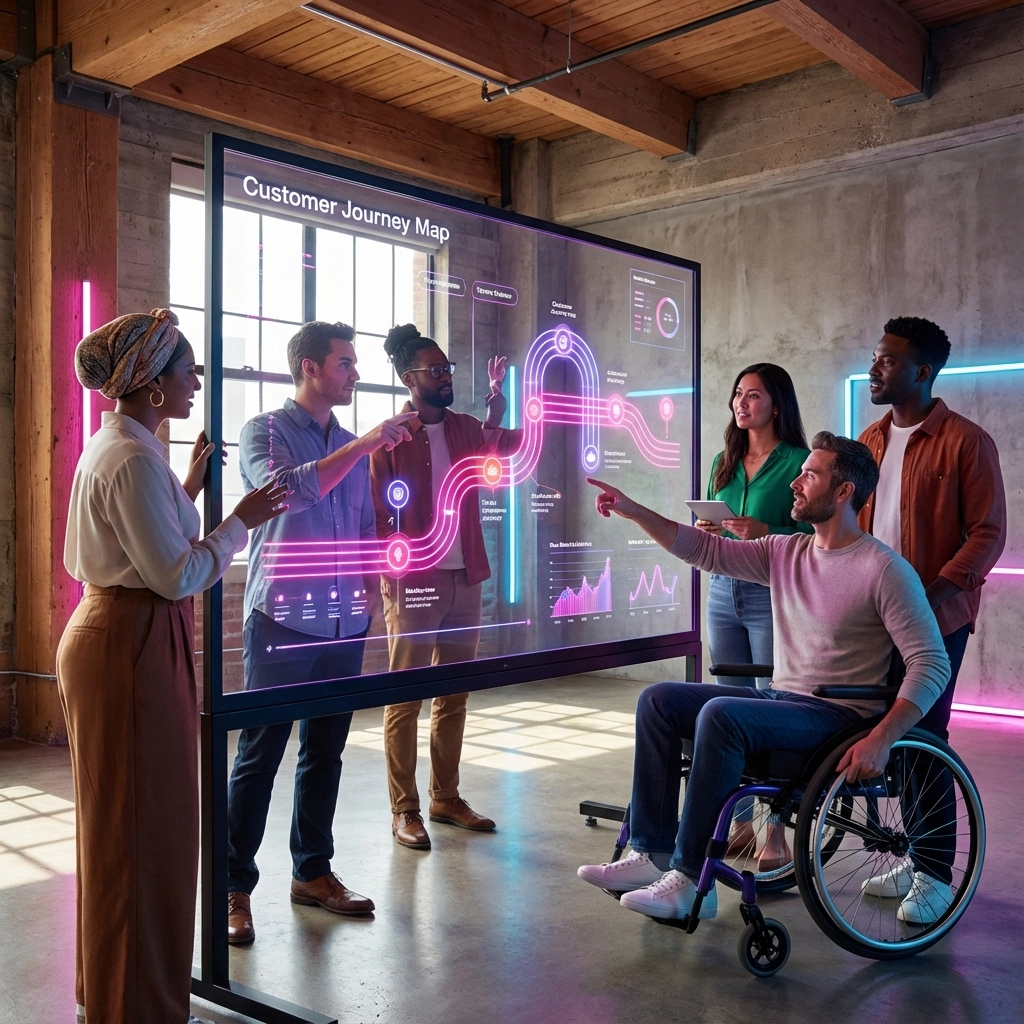
Now that you understand your customers, it's time to visualize their entire journey with your brand. This journey spans from their first awareness of your product or service, through the purchase decision, and into post-purchase support and repeat business.
Your goal is creating one seamless end-to-end experience. When you understand how customers move between multiple channels and optimize each step, you create an experience that feels continuous and natural.
Use journey orchestration platforms to visualize and manage personalized customer journeys in real time. This allows you to identify exactly where customers interact with different channels and spot opportunities for improvement.
Step 3: Choose Your Channels Strategically
Channel selection is critical, but you don't need to be everywhere at once. Your research should reveal where your audience actually spends their time, both online and offline. Are they active on Instagram or LinkedIn? Do they prefer email communication? What about in-store experiences?
Start with at least 3 channels to manage complexity and costs effectively. Here's how to choose wisely:
Channels your customers are already using (those with the highest conversion rates)
Channels where potential customers have shown interest
Channels that align with your business goals and available resources
If you're just beginning, consider keeping online and offline channels separate initially. This prevents requiring major IT infrastructure upgrades while you build your foundation. Once you establish a solid digital presence, you can expand into physical retail integration.
Remember, there's no predetermined limit to the number of channels you can use, but strategic selection based on where your audience is most active will yield the best results.
Step 4: Integrate Your Technology Stack
With your data foundation and channels selected, the next critical step involves connecting every touchpoint so they work harmoniously together. Your customers shouldn't even be aware they're switching between channels: everything should feel like one continuous experience.
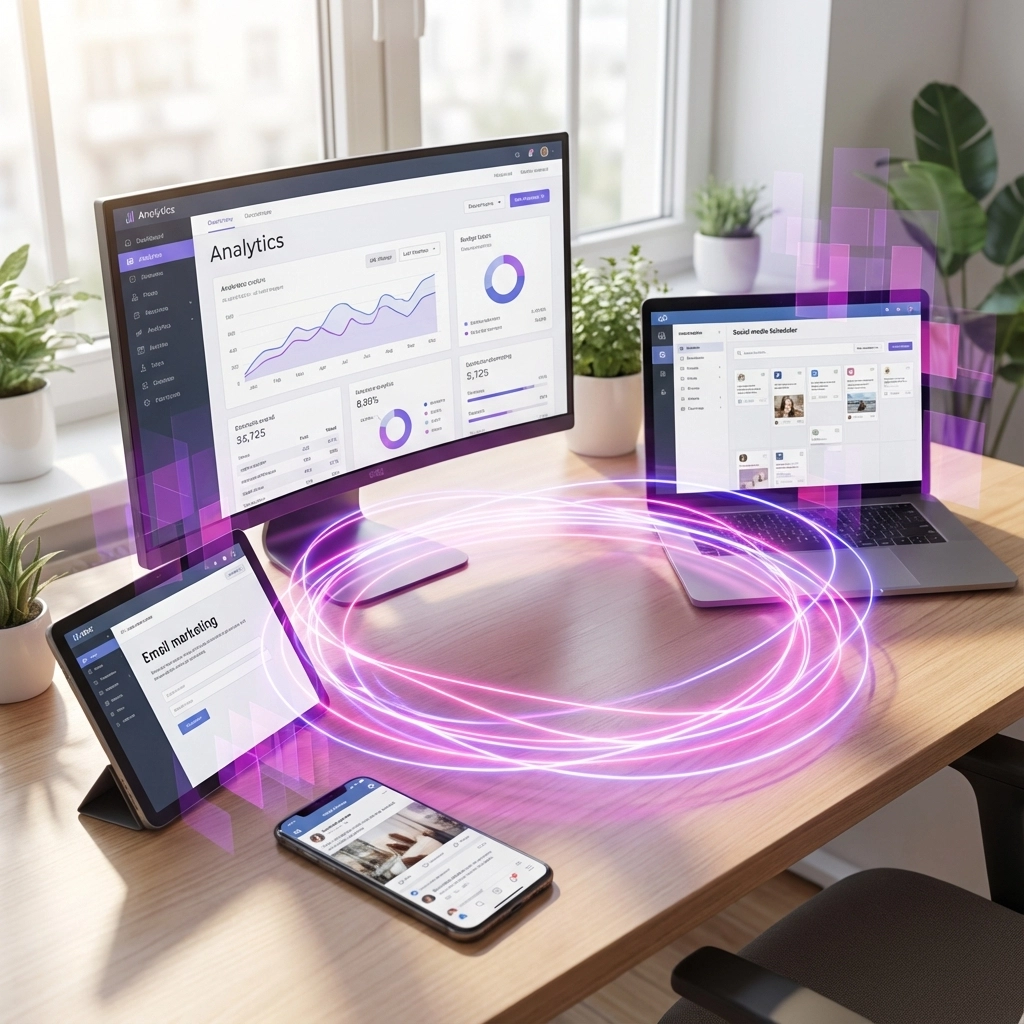
Invest in integrated marketing technology that streamlines data integration, journey management, and campaign execution. Your foundation should be a robust CRM system that tracks each individual's journey from prospective buyer to customer.
Essential technology components include:
Journey orchestration platforms for managing personalized experiences in real time
Analytics tools to track performance and identify gaps
Marketing automation platforms to manage message frequency
Personalization platforms for tailored experiences
Campaign management tools for consistent brand messaging
Performance analytics platforms to track ROI
Step 5: Master Consistency and Personalization
Here's where your strategy truly comes to life. Maintain consistent branding, messaging, and customer experience across all touchpoints: this reinforces your brand identity and builds trust, whether customers interact with you online or offline.
Simultaneously, use your customer data to provide tailored product recommendations, targeted promotions, and personalized content across different channels. Create smart segments and build lookalike audiences to reach new customers while driving conversions with personalized engagements.
Implement these powerful tactics:
Drive email opt-ins to gather valuable first-party data
Use SMS automations triggered by key customer actions
Reduce cart abandonment with timely messaging
Re-engage churn-risk customers with targeted campaigns
The key is reaching the right customer with the right message at the right time, every time.
Step 6: Optimize for Today's Multi-Device World
Ensure mobile optimization across all channels. Your website, apps, and communication channels must provide smooth, intuitive user experiences across all devices. This isn't optional: it's essential for success.
Implement flexible fulfillment options that modern customers expect:
Buy online, pick up in-store (BOPIS)
Buy online, return in-store (BORIS)
Endless aisle functionality for maximum convenience
These options provide the flexibility your customers crave and can significantly boost satisfaction and loyalty.

Step 7: Measure, Monitor, and Optimize
Establish clear success metrics before launching your campaigns. Use performance analytics platforms to track key performance indicators and measure campaign ROI. This data-driven approach allows you to understand what's working and what needs adjustment.
Create a continuous improvement cycle by monitoring performance, analyzing results, and making necessary refinements based on data insights. Your omnichannel strategy should evolve and improve over time.
Best Practices for Omnichannel Success
Start simple and build gradually. Begin with a single-channel campaign focused on one particular customer need, then expand to a multichannel approach. This approach prevents overwhelm and allows you to perfect each element before scaling.
Personalize every shopping experience by leveraging customer data throughout the journey to create relevant, individualized interactions.
Refine your media spend using channel performance data to focus your budget on areas that drive the best results.
Maintain message frequency controls through marketing automation to avoid overwhelming customers while remaining present across their preferred touchpoints.
Your Journey to Omnichannel Excellence Starts Now
Building your first omnichannel marketing strategy represents an exciting opportunity to transform your customer relationships and drive sustainable business growth. By following these foundational steps and maintaining focus on creating genuinely integrated customer experiences, you'll establish a strategy positioned for long-term success.
Remember, omnichannel marketing is not just about occupying multiple channels: it's about creating meaningful, connected experiences that make your customers' lives easier and more enjoyable. When you achieve this, customer loyalty and business growth naturally follow.
Your omnichannel journey awaits, and now you have everything you need to succeed. Take that first step today, and watch as your integrated approach transforms how customers experience your brand across every touchpoint.
Ready to take your marketing strategy to the next level? Explore our comprehensive digital marketing services and discover how The CCWC Network Corp can help you build the omnichannel strategy your business deserves.
Comments